Knowing when to seek medical care can give parents peace of mind.
Same Day Call Or Visit for These Situations
Consider contacting a healthcare provider if your child:
- Gets worse after several days of illness
- Drinks very little or has fewer wet diapers
- Has persistent wheezing
- Has breathing that seems faster than usual
Parents should also trust their instincts. If something feels wrong, it is reasonable to have your child evaluated.
Go to the ER Now for Red Flags
Seek emergency care immediately if a child shows:
- Severe difficulty breathing
- Chest retractions or nasal flaring
- Blue or gray lips or face
- Pauses in breathing
- Extreme sleepiness or difficulty waking
- Signs of severe dehydration
These symptoms require immediate medical attention.
High Risk Kids Who Should Be Seen Earlier
Some children should be evaluated sooner because they have a higher risk of complications.
These include:
- Premature infants
- Babies younger than six months
- Children with heart or lung disease
- Children with weakened immune systems
- Children with neuromuscular conditions
How Long Kids Are Contagious and When They Can Return to School Or Daycare
Parents often worry about when their child can safely return to normal activities.
Typical Contagious Window
Children with respiratory viruses are often contagious for several days.
In many cases:
- Children spread the virus for 3 to 8 days
- Infants may remain contagious longer
Good hygiene helps reduce the spread.
A Practical Return to Group Checklist
Children may return to school or daycare when:
- They are fever free for at least 24 hours without fever medicine
- Breathing is comfortable
- Energy levels are improving
- Cough can be managed with routine hygiene
Always follow school or daycare policies and your clinician’s advice.
How to Help Prevent RSV and Other Seasonal Respiratory Viruses at Home
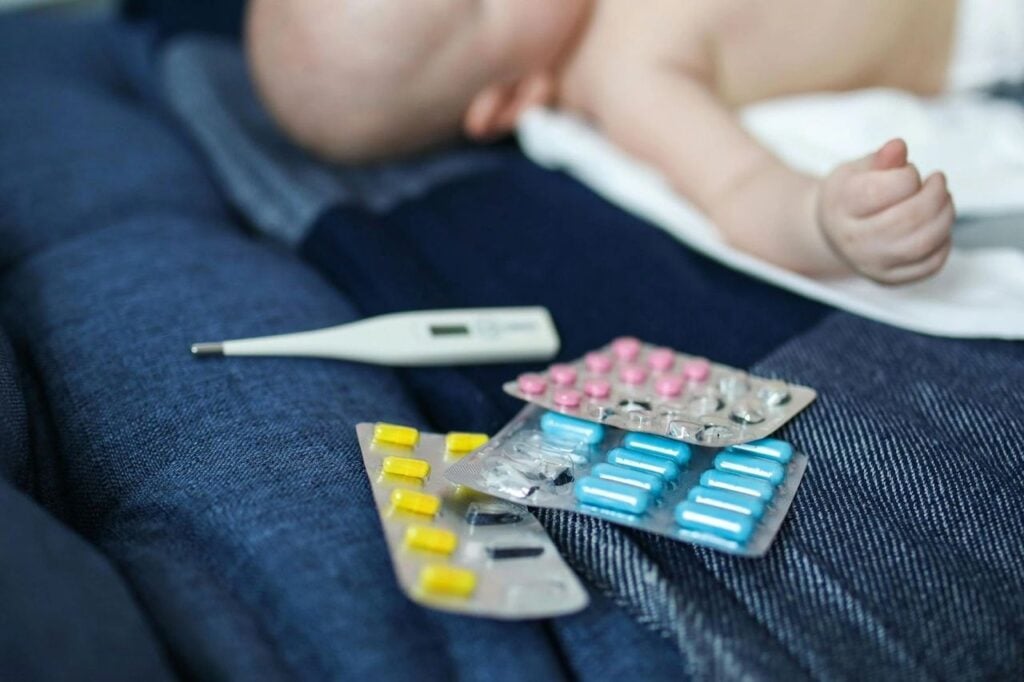
Preventing respiratory infections completely is not always possible, but simple habits can reduce the risk.
Daily Habits that Lower Spread
Families can help prevent illness by:
- Washing hands frequently
- Cleaning high touch surfaces
- Avoiding sharing cups or utensils
- Keeping sick children home when possible
These small steps can make a meaningful difference.
Protection for Babies and High Risk Children
Certain preventive options may be available for infants and high risk children. Parents should speak with their pediatrician about current recommendations and whether preventive treatments or immunization options are appropriate.
Helping Parents Feel Confident When Respiratory Symptoms Start
Respiratory illnesses can be stressful for families, especially when symptoms overlap.
Trust Patterns But Treat Red Flags as the Deciding Factor
RSV, flu, and colds often begin with similar symptoms. Over time, patterns such as breathing changes, fever severity, and energy levels can offer helpful clues. Breathing difficulty, poor hydration, or unusual behavior are the most important signals to watch.
When in Doubt Get Your Child Checked Today
If you are unsure whether symptoms are RSV, flu, or a cold, a medical evaluation can provide reassurance and guidance. A pediatric clinician can assess breathing, hydration, and overall health to help your child recover safely.
FAQs Parents Ask About RSV Symptoms In Kids
How Long Do RSV Symptoms Last in Kids?
Most children recover within one to two weeks. Symptoms often worsen during the first few days before gradually improving.
Can My Child Get RSV More Than Once?
Yes. Children can get RSV multiple times because immunity after infection is not permanent.
Is Wheezing Always RSV or Can Flu and Colds Cause It Too?
Wheezing is common with RSV but can sometimes occur with other respiratory infections as well. Any wheezing should be evaluated by a clinician.
Do Kids Need Antibiotics for RSV?
No. RSV is caused by a virus, and antibiotics treat bacterial infections. A healthcare provider can determine if antibiotics are needed for another condition.
Can Adults Catch RSV From Kids and Bring It Home?
Yes. RSV spreads easily between children and adults through respiratory droplets and contact with contaminated surfaces.
Should I Keep Siblings Separate If One Child Has RSV?
If possible, limit close contact between siblings and encourage frequent handwashing. This may help reduce the spread within the household.
Get Your Child Checked Today at KIDS Urgent Care
If your child has cough, fever, or breathing symptoms and you are unsure what it might be, our pediatric team can help. Walk in or schedule a visit at KIDS Urgent Care. We are open daily from 9 AM to 9 PM.