
A fall on the playground or a sports injury can leave any parent wondering if it is something serious. Recognizing the signs of fracture in a child early can make a big difference in recovery.
A fracture simply means a broken bone, but not all breaks are obvious. Some look like a simple sprain or bruise at first. This guide will help you understand what to watch for, what to do next, and when your child should be seen by a medical professional.
What Makes Childhood Fractures Easy to Miss
Children’s bones are still growing, which can make injuries harder to recognize right away. Unlike adults, kids may not always show clear or dramatic symptoms.
Why Fractures in Children Can Look Different From Adult Injuries
Growth plates and softer bones mean some fractures are less obvious. Younger children may not explain pain clearly, and some may still move the injured limb. Falls, sports injuries, and playground accidents are common causes, so it is important to look at the full picture rather than relying on one symptom alone.
7 Signs of Fracture in Child Parents Should Watch For
Knowing what to look for can help you act quickly and confidently if your child gets hurt.
Pain That Does Not Ease After the Injury
If your child continues to complain of pain after some time has passed, it may be more than a minor injury. Pain that worsens with movement or touch is especially concerning.
Swelling Around the Injured Area
Swelling often appears soon after an injury. If it continues to increase or does not improve, it could be a sign of a broken bone.
Bruising, Redness, or Skin Color Changes
Visible bruising or discoloration can signal deeper injury. While not always present, it often appears alongside other symptoms.
Tenderness When the Area Is Touched
A child may react strongly when a specific spot is touched. Younger children might pull away, cry, or protect the area instead of describing the pain.
Trouble Moving the Arm, Leg, Hand, or Foot
Limited movement or hesitation to use a limb is a key warning sign. Your child may avoid bending, lifting, or gripping objects.
Refusing to Use the Injured Limb or Put Weight on It
If your child stops using an arm or begins limping, this is a strong indicator something is wrong. Toddlers may simply refuse to crawl or walk.
A Visible Deformity or Unusual Shape
If a limb looks bent, uneven, or out of place, it may be fractured. This is one of the most obvious signs and requires immediate medical attention.
Broken Bone or Sprain How to Tell the Difference
A sprain and a fracture can look similar. You usually cannot confirm the difference at home, especially if swelling, tenderness, limping, or limited use continues.
Signs That Lean More Toward a Fracture
Deformity, sharp pain in one spot, and refusal to use the limb are strong signs of a fracture. Pain that gets worse with any movement is another key clue.
Signs That Still Need a Doctor Even If It Might Be a Sprain
Even if you suspect a sprain, ongoing swelling, limping, or pain the next day should not be ignored. A medical evaluation is the safest way to know for sure.
What to Do Right Away If You Suspect a Fracture
If you think your child may have a fracture, stay calm and take simple steps to protect the injured area.
When To Go to the ER Right Away
Go to the nearest emergency room if you notice a visible deformity, severe pain, or if the bone appears to be breaking through the skin. Numbness, color changes, or inability to move fingers or toes are also urgent signs.
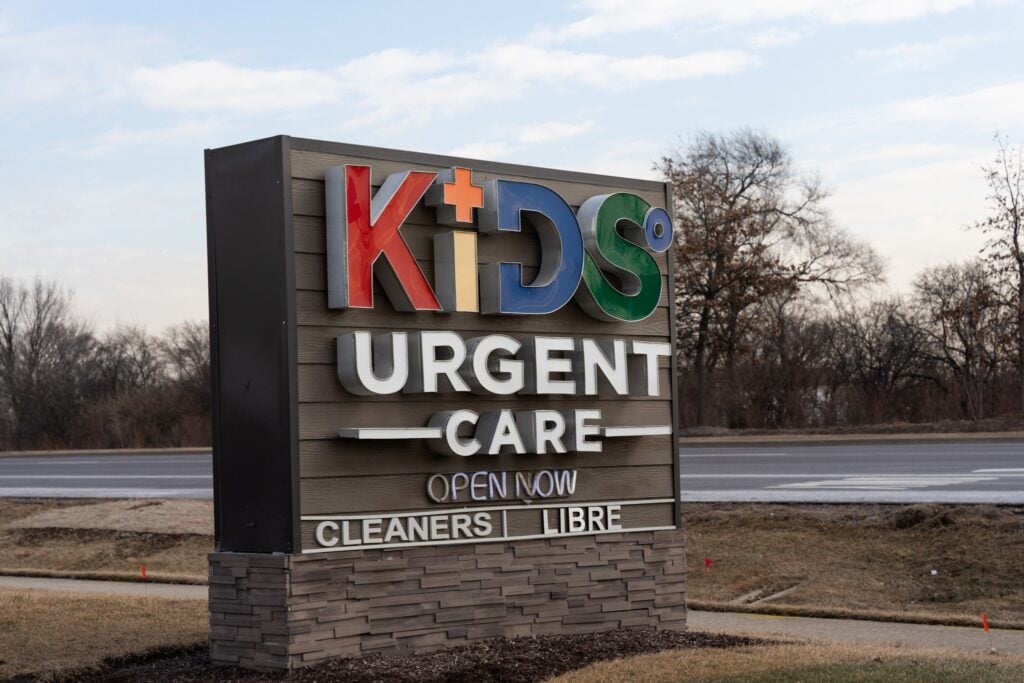
For non-life-threatening concerns, KIDS Urgent Care provides same-day care for children up to age 22. We are open daily from 9 AM to 9 PM. You can walk in or call 630-868-3621 to check wait times.
How Doctors Confirm a Fracture in Children
A proper diagnosis helps ensure the bone heals correctly and safely.
Why Early Evaluation Matters for Growing Bones
Doctors usually perform a physical exam and take an X-ray to confirm a fracture. Early care is important because children’s bones are still developing, and proper alignment supports healthy growth and healing.
When It Is Best Not to Wait and See
Some parents wonder if they should wait overnight or see if symptoms improve. If your child continues to have pain, swelling, or avoids using the limb, it is best to have them evaluated. Trust your instincts if something does not seem right.
Protect Your Child’s Recovery by Acting Early
Fractures in children are common, but early recognition leads to better outcomes. Watch for ongoing pain, swelling, deformity, or refusal to use a limb. Acting quickly helps your child heal properly and return to normal activities sooner. If you are unsure, it is always safer to have your child checked by a pediatric provider.
Frequently Asked Questions
Can a Child Still Move a Limb If It Is Broken
Yes, some children can still move the limb, especially with smaller fractures. However, pain, swelling, and tenderness are still warning signs.
Can a Child Walk on a Fractured Leg
Sometimes a child may still walk, but limping or avoiding full weight is a concern. It is best to have it evaluated.
How Do I Know If It Is a Sprain or a Fracture
It can be hard to tell at home. Deformity, pinpoint pain, and refusal to use the limb suggest a fracture. A medical exam is needed for confirmation.
What Are the Signs of a Broken Bone in a Toddler
Common signs include crying after a fall, not using one arm or leg, limping, swelling, and sensitivity when touched.
Get Your Child Checked Today
If your child is showing any signs of fracture, it is always better to be safe and have them evaluated by a pediatric provider. Early care can prevent complications and help your child heal faster.
At KIDS Urgent Care, we provide fast, child-focused care without the long ER wait. Our board-certified pediatricians are experienced in treating fractures, sprains, and injuries with on-site X-rays and lab services available.
Walk in or call us today to check wait times.
KIDS Urgent Care
290 W Loop Road, Wheaton, IL 60189
Phone: 630-868-3621
Open daily from 9 AM to 9 PM
Fast, friendly urgent care just for kids.