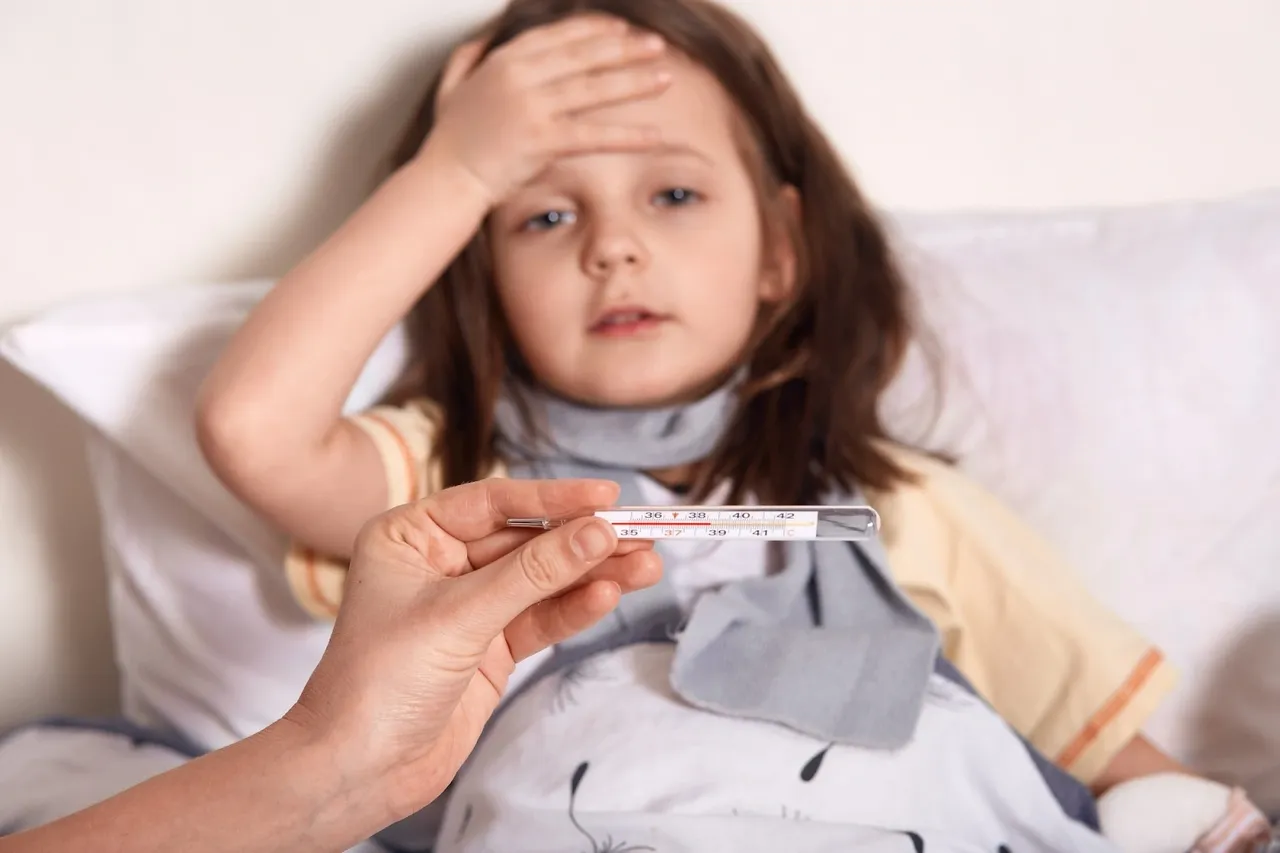
When your child has a fever, one of the first questions that comes to mind is how long it will last. The short answer is reassuring. Most fevers in kids caused by common viral infections last about 2 to 3 days, and some can last up to 4 days.
A fever that lasts longer, keeps coming back after being gone, or comes with concerning symptoms should be checked by a medical professional. The key is not just the number on the thermometer, but how your child looks and feels overall.
The Short Answer Most Parents Need First
If you are worried and just want a quick answer, here is what matters most.
What Is a Normal Fever Timeline in Kids
Most childhood fevers follow a predictable pattern.
- Most viral fevers last 2 to 3 days
- Some may last up to 4 days
- A few illnesses may last longer, but that is less common
It is important to remember that duration alone does not tell the full story. What matters just as much is your child’s age, hydration, breathing, energy level, and overall behavior.
When Fever Duration Starts to Be More Concerning
There are certain points when a fever lasting longer deserves more attention.
- Fever lasting more than 3 days should prompt a call to your child’s doctor
- Fever lasting 5 days or more should be evaluated
- For babies under 3 months, any fever needs immediate medical care
If something feels off, trust your instincts as a parent and seek care.
What Counts as a Fever in a Child
Before focusing on how long a fever lasts, it helps to understand what qualifies as a fever.
The Temperature That Qualifies as a Fever
A fever in children is generally defined as a temperature of 100.4°F (38°C) or higher. The reading can vary slightly depending on how the temperature is taken, whether orally, rectally, or under the arm. Using a digital thermometer is the most accurate way to check.
Why the Number Is Not the Only Thing That Matters
A fever is often the body’s natural response to infection. It is part of how the immune system fights illness.
What matters more than the number is how your child is acting. A child with a moderate fever who is drinking fluids and still somewhat playful is very different from a child with a lower fever who is lethargic and not drinking at all.
How Long Does Fever Last in Kids Based on the Cause
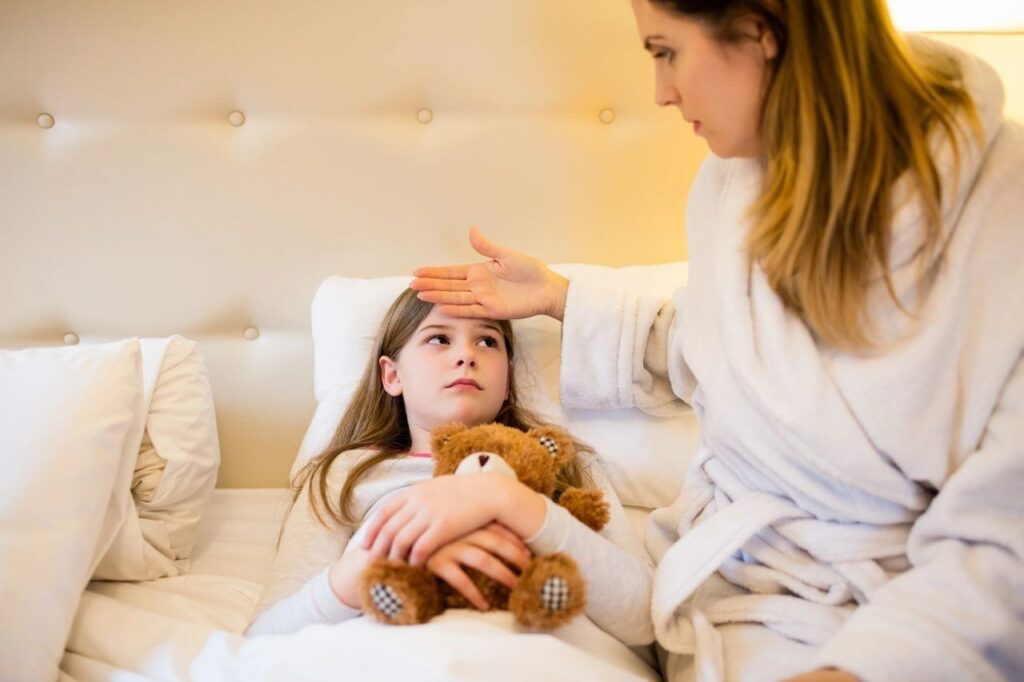
Not all fevers are the same. The cause of the fever plays a big role in how long it lasts.
Viral Fevers
Viral infections are the most common cause of fever in children.
- Typically last 1 to 4 days
- Most commonly around 2 to 3 days
- May be followed by symptoms like cough, runny nose, or rash
These fevers usually improve on their own as the body clears the infection.
Fever After Vaccines
Fever after vaccines is usually mild and temporary, but timing varies by vaccine. This type of fever is a normal immune response and not a cause for concern in most cases. If it lasts longer than expected or your child seems unusually unwell, contact your clinician.
Bacterial Infections and Other Causes
Some fevers last longer because they are caused by bacterial infections.
- May persist or worsen without treatment
- Can be linked to conditions like ear infections, strep throat, or urinary infections
If the fever is not improving after a few days or symptoms are getting worse, your child should be evaluated.
Why a Child’s Fever Can Come and Go
It can be confusing when your child’s fever seems to improve and then suddenly return. This is actually quite common.
Why Fever Often Returns After Medicine Wears Off
Fever-reducing medications like acetaminophen or ibuprofen lower the temperature temporarily. Once the medicine wears off, the fever may come back if the body is still fighting the illness. This does not mean the condition is worsening. It simply means the illness is still present.
Why Fever Often Gets Worse at Night
Many parents notice that fevers spike in the evening or at night. This happens because body temperature naturally rises later in the day. Nighttime fever spikes are common and do not necessarily indicate a serious problem.
When a Returning Fever Needs More Attention
A returning fever can sometimes signal something more.
- Fever that disappears for 2 to 3 days and then returns may indicate a new infection
- Fever that keeps recurring without improvement should be evaluated
Pay attention to patterns, not just individual readings.
When Should You Worry About a Fever Lasting Too Long
This is one of the most important sections for parents. Knowing when to act can make all the difference.
Call a Doctor Soon If
You should contact your child’s doctor if:
- Fever lasts more than 3 days
- Fever is above 104°F
- Your child is not drinking fluids well
- Your child seems very sleepy, irritable, or in pain
- Fever without other symptoms lasts more than 24 hours in a child under 2
These signs suggest your child may need a closer evaluation.
Seek Urgent or Emergency Care If
Certain symptoms require immediate attention.
Please call 911 or go to the nearest emergency room now.
- Baby under 3 months with a fever
- Trouble breathing
- Signs of dehydration, such as very few wet diapers
- Seizure
- Child is hard to wake, confused, or appears very ill
Do not wait in these situations.
What Parents Can Do at Home While Monitoring Fever
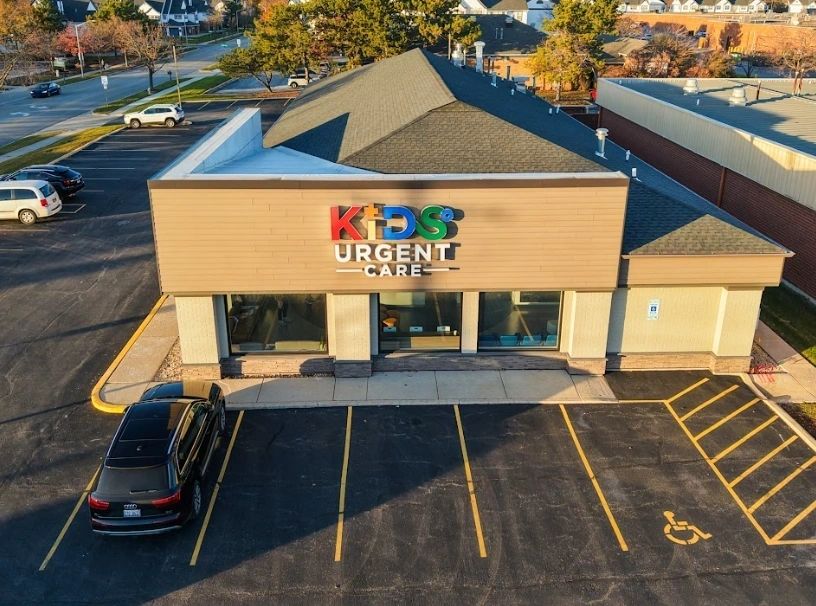
While monitoring your child, there are simple steps you can take to keep them comfortable.
Focus on Comfort, Fluids, and Rest
Your goal is to help your child feel better while their body fights the illness.
- Encourage plenty of fluids
- Dress your child in light clothing
- Allow rest and sleep
- Use fever medicine for comfort, not just to lower the number
Comfort matters more than chasing a perfect temperature.
What Not to Do
Avoid common mistakes that can make things worse.
- Do not rely on touch alone to detect fever
- Avoid ice baths or cold water treatments
- Do not overdress your child
- Never give aspirin to children
- Avoid alternating medications unless advised by a doctor
Simple, gentle care is best.
Age Matters More Than Many Parents Realize
A child’s age plays a major role in how seriously a fever should be taken.
Newborns and Babies Under 3 Months
Any fever in this age group is considered urgent. Even a low-grade fever should be evaluated right away because young infants have immature immune systems.
Babies 3 to 6 Months
Extra caution is still needed in this age group. Call your doctor if the fever is high, persistent, or if your baby is not feeding well or seems unusually sleepy.
Older Babies and Children
For older children, behavior becomes more important than the number. A child who is drinking fluids, alert, and occasionally playful is generally less concerning than one who is lethargic, even if the temperature is similar.
How to Know if the Fever Is Improving
As a parent, it helps to know what recovery looks like.
Signs Things Are Moving in the Right Direction
Look for these positive signs:
- More energy between fever episodes
- Better appetite and fluid intake
- Normal urination
- Fever becoming less frequent or less intense
- Other symptoms starting to improve
These are all signs your child is getting better.
Signs It May Be Time for an In-Person Evaluation
Sometimes improvement does not happen as expected.
- Fever is not changing after several days
- Fever returns after being gone
- Your child becomes less active or less hydrated
- Symptoms are getting worse instead of better
In these cases, it is best to have your child checked.
When It Is Time to Stop Watching and Get Your Child Checked
It can be hard to decide when to stop monitoring at home and seek care.
The Bottom Line on How Long Fever Lasts in Kids
Most fevers in kids:
- Last 2 to 3 days
- May last up to 4 days
If the fever lasts longer, worsens, or occurs in a baby under 3 months, it is time to call a doctor.
Reassuring Closing Message
Fever is very common in children and is usually not dangerous on its own. You do not need to panic over every temperature reading. Focus on how your child is acting, drinking, breathing, and responding. When in doubt, getting your child checked can give you peace of mind.
Frequently Asked Questions
Why Does My Child’s Fever Keep Coming Back?
This often happens because fever-reducing medicine wears off, allowing the temperature to rise again.
If the fever goes away for a couple of days and then returns, it could be a new illness and should be evaluated.
Is It Normal for a Child’s Fever to Be Worse at Night?
Yes, it is common for fevers to rise in the evening due to natural body temperature cycles. Nighttime spikes alone are not usually a cause for concern.
When Should I Take My Child to the ER for a Fever?
Please call 911 or go to the nearest emergency room now if your child has:
- Fever under 3 months of age
- Trouble breathing
- Signs of dehydration
- A seizure
- Extreme sleepiness or confusion
These symptoms require immediate care.
Can Teething Cause a Real Fever?
Teething may cause a slight rise in temperature, but it does not cause a true fever. A temperature of 100.4°F or higher should not be blamed on teething and should be evaluated based on other symptoms.
Get Your Child Checked Today at KIDS Urgent Care
Still worried about your child’s fever? You do not have to figure it out alone. Our pediatric team is here to help.
KIDS Urgent Care provides fast, same-day care for children from newborn to age 22. Whether it is a fever that is lasting too long or symptoms that are not improving, we are ready to see your child.