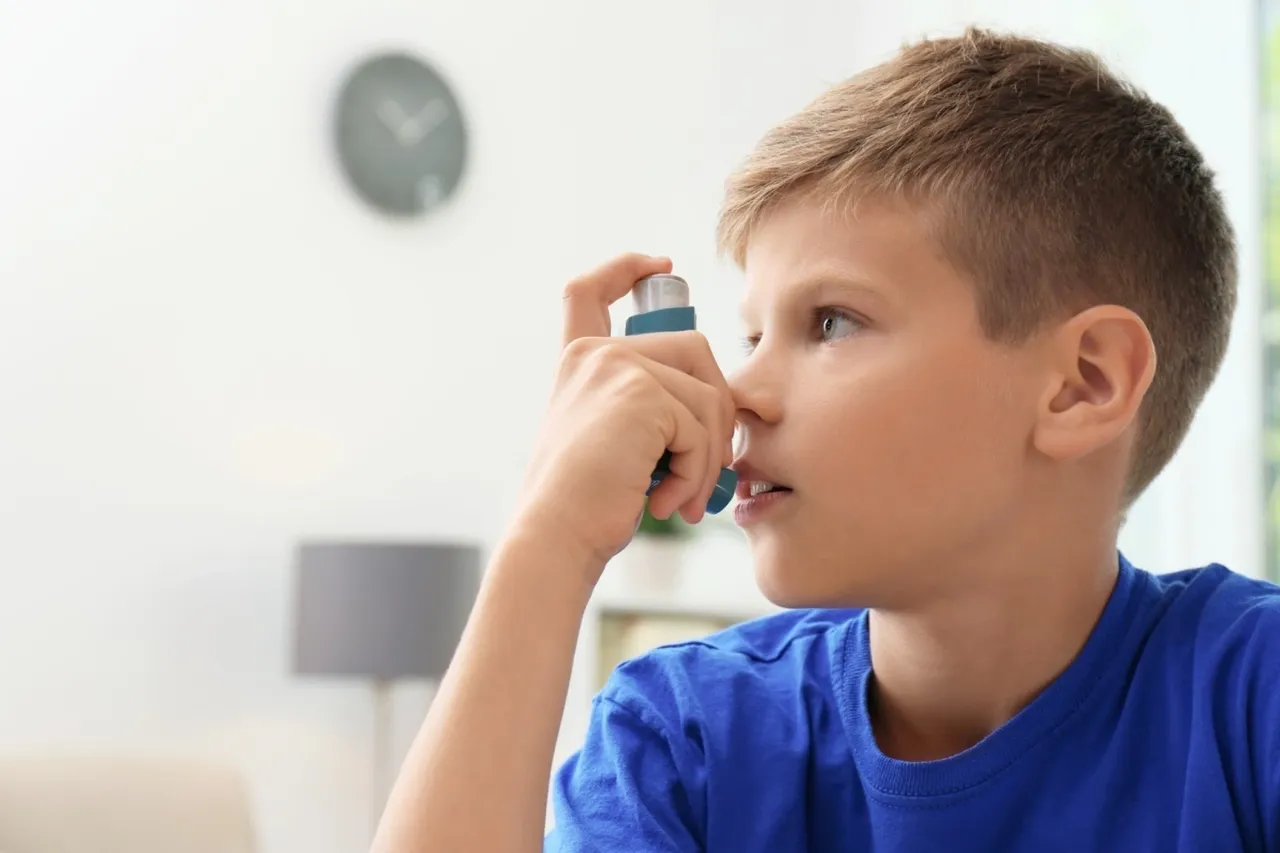
Asthma is one of the most common chronic conditions in children. Many parents become experts at managing their child’s asthma day to day. Even with good control, flare ups can still happen. These episodes can be stressful for both kids and caregivers, especially when breathing becomes difficult or symptoms appear suddenly.
Knowing when an asthma flare up can be evaluated at pediatric urgent care, and when it needs emergency care, can help parents act quickly and confidently.
What Is an Asthma Flare Up?
An asthma flare up, sometimes called an asthma attack, happens when the airways become inflamed and narrow. This makes it harder for air to move in and out of the lungs. Extra mucus can also build up, which can worsen breathing symptoms.
Common signs of an asthma flare up in children include:
- Wheezing or whistling sounds when breathing
- Persistent coughing, especially at night
- Shortness of breath
- Chest tightness or discomfort
- Trouble keeping up with normal activity
- Fatigue or irritability in younger children
Symptoms can range from mild to severe. Some flare ups come on slowly, while others worsen quickly.
Common Triggers for Asthma Flare Ups
Asthma flare ups are often triggered by something in the environment or the body. Common triggers in children include:
- Viral illnesses such as colds or flu
- Seasonal allergies like pollen or mold
- Cold air or sudden weather changes
- Exercise or physical exertion
- Exposure to smoke or strong odors
- Dust mites or pet dander
Respiratory viruses are a very common trigger for asthma flare ups in children, and many families notice more symptoms during peak cold and flu months.
Why Asthma Symptoms Can Escalate Quickly in Kids
Children’s airways are smaller than adults, which means inflammation can cause symptoms to worsen faster. Younger children may also have trouble explaining how they feel, making it harder for parents to judge severity.
Signs that symptoms may be getting worse include:
- Using extra muscles to breathe, such as the neck, chest, or ribs
- Faster breathing than normal
- Trouble speaking in full sentences
- Needing rescue medicine more often than usual
If symptoms progress rapidly or breathing becomes very difficult, emergency care is needed.
When Pediatric Urgent Care Can Help
Pediatric urgent care can be a good option for many asthma flare ups that are not life threatening but still need prompt evaluation. Urgent care teams can also help you decide if your child needs a higher level of care. If your child shows signs of significant breathing distress or low oxygen, you may be advised to go to the emergency department right away.
Urgent care can help when:
- Your child is wheezing or coughing and symptoms are not improving
- Breathing symptoms are interfering with sleep or activity
- A respiratory infection is triggering asthma symptoms
- You are unsure if symptoms are mild or becoming more serious
- Your child’s school or daycare requests medical evaluation
At KIDS Urgent Care, board-certified pediatricians evaluate asthma symptoms in children of all ages. The goal is to assess breathing severity, identify possible triggers, and determine the next steps for care.
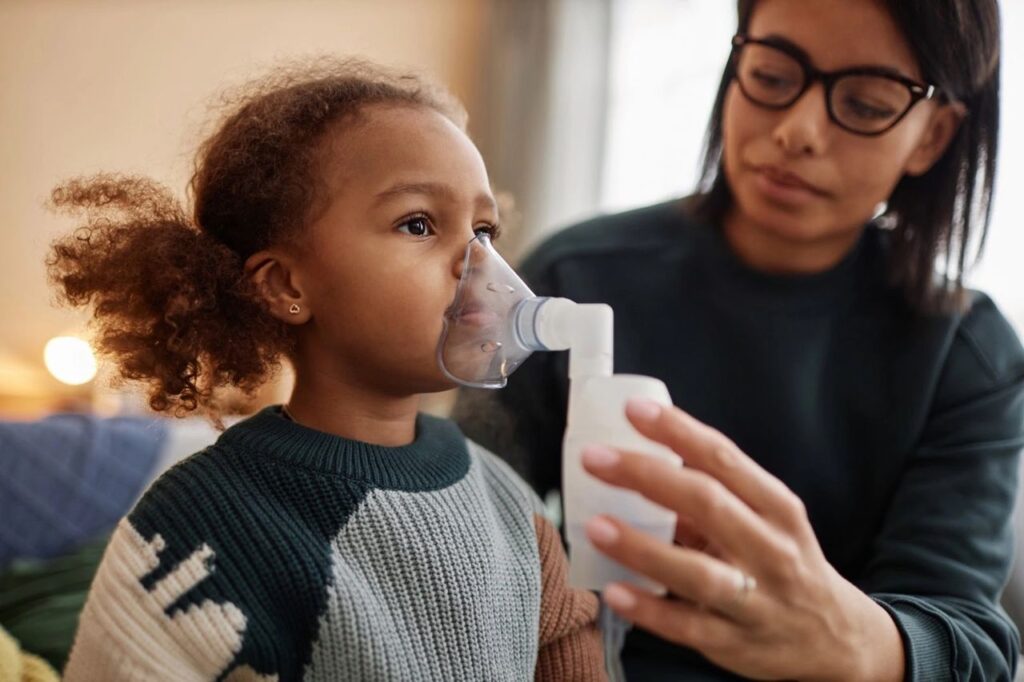
What to Expect During an Urgent Care Visit
Parents often feel anxious during asthma flare ups, especially if symptoms are new or different from past episodes. Knowing what to expect can help ease that stress.
During a visit, the pediatric care team may:
- Review your child’s asthma history and recent symptoms
- Check oxygen levels, breathing rate, and work of breathing
- Listen carefully to lung sounds
- Evaluate for infections such as colds or flu
- Perform on-site testing if needed
If treatment is needed, the medical team will talk through options and next steps with you. If symptoms appear more serious, they will guide families to the appropriate level of care.
When Asthma Flare Ups Need Emergency Care
Some asthma symptoms require immediate emergency attention and should not wait for urgent care.
Please call 911 or go to the nearest emergency room now if your child has:
- Severe trouble breathing
- Blue or gray lips or fingernails
- Difficulty speaking due to shortness of breath
- Signs of exhaustion, confusion, or unusual sleepiness
- Chest or ribs pulling in deeply with each breath
- No improvement after using rescue medicine as directed in your child’s asthma action plan
Important note: wheezing can sometimes get quieter when breathing becomes more severe because less air is moving. If your child looks like they are struggling to breathe, seek emergency care even if you do not hear wheezing.
If you ever feel unsure or scared, trust your instincts and seek emergency help.
Managing Asthma During Cold and Flu Season
Cold and flu season can be a challenging time for children with asthma. Viral infections can inflame the airways, making flare ups more likely.
Helpful steps for families include:
- Watching for early symptoms of illness
- Avoiding known triggers when possible
- Encouraging handwashing and good hygiene
- Seeking care early if breathing symptoms worsen
Prompt evaluation can help prevent symptoms from escalating.
How Telemedicine Can Help in Mild Cases
For mild symptoms or early concerns, telemedicine visits can be a convenient first step. Virtual visits allow parents to speak with a pediatrician about symptoms and decide if an in-person evaluation is needed.
If an in-person visit is needed after a telemedicine appointment, the visit fee can be applied toward the office visit at KIDS Urgent Care.
Telemedicine is only appropriate for mild symptoms. Any breathing difficulty should be evaluated in person.
Supporting Kids Emotionally During Asthma Flare Ups
Asthma flare ups can be frightening for children. Calm reassurance from parents can help reduce anxiety, which may also make breathing feel easier.
Helpful tips include:
- Staying calm and speaking gently
- Encouraging slow, relaxed breathing
- Letting children sit upright if that feels more comfortable
- Explaining what is happening in simple terms
Reducing fear can make the experience easier for everyone involved.
Why Parents Choose Pediatric Urgent Care for Asthma
Families often choose pediatric urgent care because it offers:
- Board-certified pediatricians
- Shorter wait times than the ER for many concerns
- On-site testing and evaluations
- Care designed specifically for children
Parents appreciate having a trusted place to turn when asthma symptoms arise outside of regular office hours.
When in Doubt, Get Your Child Checked
Asthma flare ups can look different each time. If something feels off, or symptoms are not improving, it is always better to have your child evaluated.
KIDS Urgent Care is open daily from 9 AM to 9 PM and treats children from newborn to age 22. Walk-ins are welcome, and families can also call ahead to check wait times.
For questions or concerns, please call 630-868-3621 or visit kidsurgent.care.
If your child is having severe trouble breathing, please call 911 or go to the nearest emergency room immediately.